

- 398 Views
- 13 Min Read
- (3) Comments
Holi Festival in India 2027 – A Complete information
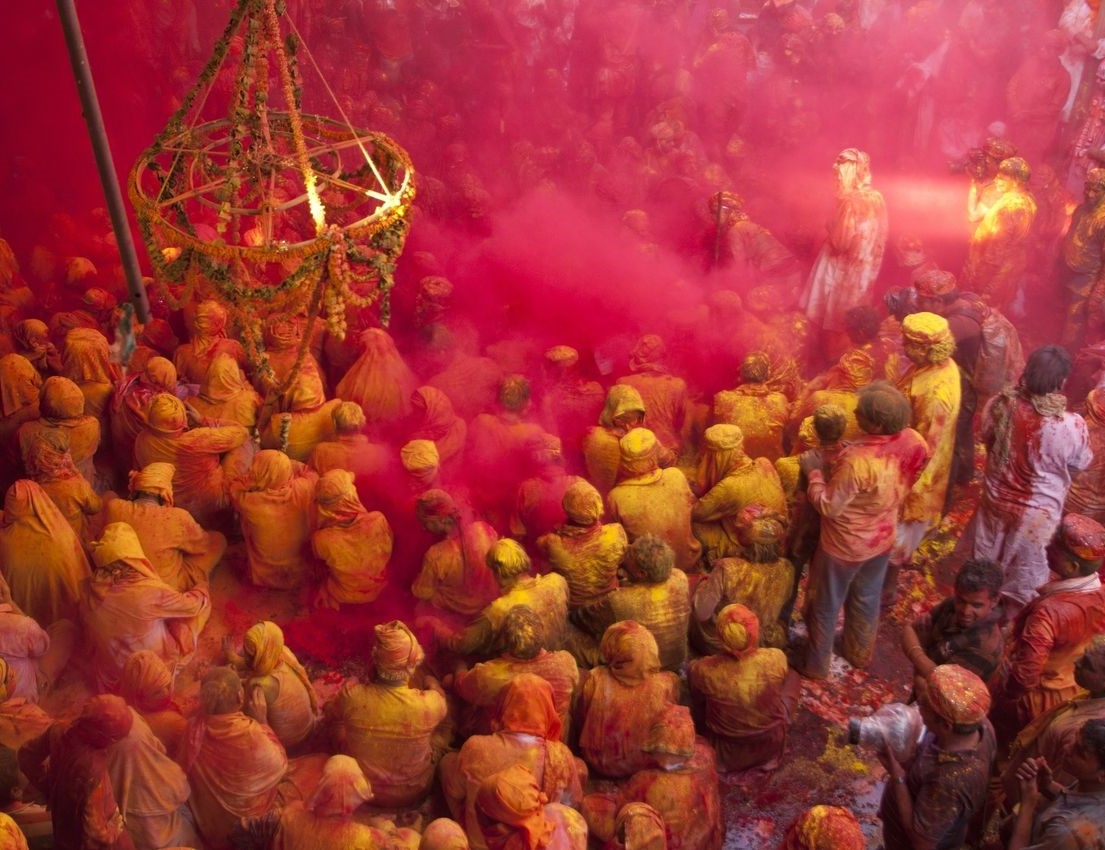
India is often regarded as one of the most fascinating and diverse countries in the world, known for its deep-rooted traditions and vibrant cultural expressions. Among its many festivals, Holi—also called Rangwali Holi—stands out as a celebration filled with color, joy, and spiritual meaning. It marks the arrival of spring and is observed with great enthusiasm across the country.
Celebrated each year in March during the full moon, Holi is widely recognized as the festival of colors. Beyond its lively atmosphere, it carries strong religious and cultural significance. The festival creates a sense of unity, dissolving social boundaries related to class, gender, and status, allowing people to come together in a spirit of equality and happiness.
One of the central themes of Holi is the victory of good over evil, symbolized by the burning of the demoness Holika. The playful act of throwing colored powders and water also reflects the mischievous nature of Lord Krishna, adding a joyful dimension to the celebration. Additionally, Holi serves as a time to express gratitude for the harvest and the abundance brought by the changing season.
The colors used during Holi each carry symbolic meanings. Red represents love and fertility, blue is associated with Krishna, yellow reflects the sacredness of turmeric, and green signifies renewal and new beginnings.
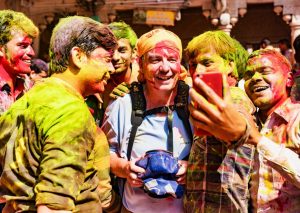
Holi Celebration in India
Origin of the Festival of Color – Holi
The origins of Holi are rooted in ancient legends, the most prominent being the story of the demon king Hiranyakashipu. Consumed by power, he demanded that everyone worship him as a god. However, his son Prahlada remained devoted to Lord Vishnu, angering the king. In an attempt to eliminate Prahlada, Hiranyakashipu sought the help of his sister Holika, who possessed a magical cloak that made her immune to fire.
Holika tricked Prahlada into sitting with her on a burning pyre, believing she would survive while he would perish. However, in a twist of fate, the protective cloak shielded Prahlada instead, and Holika was burned in the flames. At the same time, Vishnu intervened and defeated the tyrant king, reinforcing the message that righteousness ultimately prevails.
Another popular legend relates to Krishna and his distinctive blue complexion. It is said that as a child, Krishna was concerned that his dark skin would prevent Radha from loving him. His mother playfully suggested that he apply color to Radha’s face. This act is believed to have inspired the tradition of smearing colors during Holi, symbolizing love and acceptance beyond physical differences.
There is also a belief that Krishna’s divine aura, often associated with the color blue, held a magnetic charm that attracted all living beings. This idea emphasizes that spiritual beauty and inner energy are far more powerful than outward appearance.
Through these stories and traditions, Holi continues to represent joy, unity, and the enduring triumph of good over evil, making it one of the most cherished festivals in India.
Holika Dahan Ritual Timing and Holi Celebration Schedule
One day prior the festival of Holi begins, there an important ritual known as Holika Dahan is observed. This sacred bonfire ceremony symbolizes the arrival of spring, while also representing love, renewal, and gratitude for a successful harvest season.
Holika Dahan
Holika Dahan takes place on the evening before Holi, right after sunset on the full moon night (Purnima). The ritual holds deep spiritual meaning, signifying the victory of good over evil. During this time, communities gather around bonfires, singing traditional songs, dancing, and participating in prayers. Because of its timing, this day is also popularly known as Chhoti Holi or “Little Holi.”
Across India, the ceremony follows traditional guidelines rooted in Hindu scriptures. The bonfire must be lit during an auspicious period determined by the lunar calendar, specifically after sunset on Purnima Tithi. Performing the ritual at the correct muhurat is considered essential, as it is believed to ensure positivity and ward off negative influences.
The most favorable time for conducting Holika Dahan falls during Pradosh Kaal, the period when day transitions into night. Before lighting the fire, families perform a special puja, offering prayers for the well-being of children and protection from harm.
In certain culturally significant regions such as Mathura and Vrindavan, Holi celebrations begin in a unique way. Instead of colors, the festivities start with Phoolon Wali Holi, where people joyfully shower each other with flowers, creating a serene and devotional atmosphere.
Why Holi is called the Festival of Colors in India?
Holi is widely known as the Festival of Colors because of its vibrant and playful traditions. During the celebration, people joyfully throw colored powders, known as gulal, and splash colored water on one another. Water balloons filled with color are also part of the fun. The most popular shades—red, blue, yellow, and green—each carry symbolic meaning, representing love, divinity, purity, and new beginnings. Beyond the visual spectacle, this tradition is deeply connected to cultural stories, especially the bond between Krishna and Radha, which symbolizes love and acceptance.
In Which Season is Holi Celebrated?
Holi is celebrated at the end of winter, marking the arrival of spring. It falls on the full moon night (Purnima) of the Phalguna month in the Hindu calendar, usually between late February and mid-March. The festival spans two days: the first evening is dedicated to Holika Dahan, the ceremonial bonfire, followed by the main day of color-filled celebrations. Since it is based on the lunar cycle, the exact dates vary each year.
Magical Places to Celebrate Holi
Holi is celebrated across India, Nepal, and in many parts of the world where Indian communities reside. However, certain destinations are especially renowned for their unique and grand celebrations. Cities like Mathura and Vrindavan are deeply associated with Lord Krishna and offer traditional festivities filled with devotion and color. In addition, Jaipur, Delhi, and Varanasi host lively and culturally rich celebrations, making them popular choices for experiencing the true spirit of Holi.
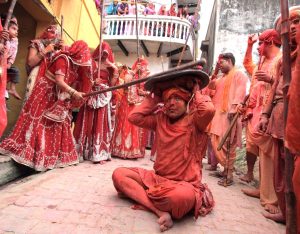
Holi Celebation in Vrindavan
Notable Cities and Regions Celebrating Holi in Unique Ways
Barsana
In Barsana, Holi is famously celebrated as Lathmar Holi, held about a week before the main festival. According to tradition, men from Nandgaon, believed to be the birthplace of Krishna, visit Barsana, the hometown of Radha. The celebration playfully reenacts Krishna’s legendary teasing of Radha and her companions. Women greet the men with sticks, while men try to shield themselves, creating a lively and symbolic mock battle that reflects ancient folklore.
Bengal (West Bengal and Bangladesh influence)
In Bengal, Holi is observed as Dola Yatra or the festival of swings. Idols of Radha and Krishna are placed on decorated swings, and devotees sing, dance, and throw colored water in celebration. Traditional sweets such as malpua and rasgulla are enjoyed, and in some traditions, bhang-based drinks are also part of the festivities.
Kolkata
In Kolkata, especially in Shantiniketan founded by Rabindranath Tagore, Holi is celebrated as Basanta Utsav (Spring Festival). Students and locals dress in yellow attire, perform cultural dances, and sing Tagore’s compositions, creating an artistic and peaceful expression of the festival that continues from morning until evening.
Delhi
The capital city hosts a modern version of Holi known as Holi Moo, where traditional colors blend with global music influences. DJs, live performances, Bollywood artists, and electronic music create a contemporary festival atmosphere alongside traditional drumming and celebrations.
Goa
In Goa, Holi coincides with the Shigmo festival, a vibrant cultural celebration lasting several days. The festivities include folk dances, street parades in Panaji, and symbolic effigy burning, reflecting both Hindu traditions and local Goan heritage.
Mathura
As the birthplace of Krishna, Mathura celebrates Holi with deep devotion and traditional rituals. Temples become the center of activity, with prayers, offerings, and continuous color play, preserving ancient customs passed down through generations.
Odisha (Puri region)
In Odisha, Holi is celebrated with devotion to Lord Jagannath rather than Krishna and Radha. The festival includes music, dance, and the use of colored powders, blending spiritual rituals with joyful public celebration.
Gujarat
In Gujarat, Holi is linked with the harvest season and begins with bonfire ceremonies symbolizing the victory of good over evil. A popular tradition involves Dahi Handi-style games, where young men form human pyramids to break a hanging pot, while others throw colored water, recreating Krishna’s playful childhood stories.
Maharashtra
In Maharashtra, Holi is marked by Holika Dahan, where large community bonfires are lit. The Shimga tradition is also observed, with families offering food to the fire god Agni and celebrating through songs and communal gatherings.
Manipur
In Manipur, Holi is integrated with the traditional festival of Yaosang. Celebrations include folk dances, drum performances, temple rituals, and modern color play. Festivities often continue for several days, combining cultural heritage with devotional practices.
Southern India
In southern states, Holi is celebrated in diverse ways influenced by local traditions, cinema, and cultural exchange. While not as widespread as in the north, urban areas host modern color festivals alongside traditional temple rituals.
Kashmir
In Kashmir, Holi marks the arrival of spring and the beginning of the harvest season. The celebration includes singing devotional songs, dancing, and playing with colors in a calm and joyful atmosphere.
Vrindavan
Vrindavan, closely associated with Krishna’s childhood, celebrates Holi with great devotion. One of its most famous traditions is Phoolon Wali Holi, where flowers are showered instead of colors, especially around temples like Dwarkadhish.
Udaipur
In Udaipur, Holi is celebrated with royal majesty. The Mewar royal family hosts ceremonial events, including bonfire rituals at the city palace followed by cultural performances by musicians and dancers, creating a regal festive atmosphere.
Varanasi
In Varanasi, Holi carries a deeply spiritual character. Celebrations take place along the ghats of the Ganges River, combining ritual bathing, prayers, and the Holika Dahan ceremony. Devotees also offer symbolic materials into the fire while seeking protection and purification, making it one of the most spiritually significant Holi celebrations in India.
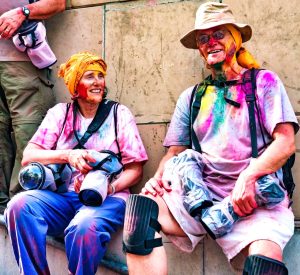
Rituals Performed During the Holi Festival
The festival of Holi carries deep religious and historical importance. References to Holi can be found in ancient Hindu texts such as the Puranas, including the Deshahumara Charita, and it is also mentioned in the works of the classical poet Kalidasa during the era of Emperor Chandragupta II.
One of the significant rituals involves the lighting of bonfires, which symbolize devotion and the celebration of love. During the festival time, devotees offerings are made to Kamadeva, the God of love, using flowers such as sandalwood and mango blossoms. Kamadeva is honored as the divine force associated with attraction and emotional connection, often depicted with a bow and flower-tipped arrows believed to inspire both physical and spiritual affection.
Although several customs are observed during the festival, the central ritual is Holika Dahan, performed on the night of the full moon before Holi. This ceremony represents the destruction of evil and the victory of righteousness over wrongdoing.
Social Life and Celebrations during Holi
Holi is also a time of strong social interaction and cultural unity. During the festival, many traditional social barriers temporarily fade, allowing people from different backgrounds to celebrate together freely. In this period, societal restrictions are relaxed, and the atmosphere becomes more open and inclusive. Women, in particular, often experience greater social freedom during the festivities.
People exchange sweets, gifts, and flowers as symbols of goodwill and friendship. Traditional white cotton clothing is commonly worn, as it highlights the vibrant colors used during the celebration. Women often wear salwar suits, while men typically dress in kurtas, which are comfortable for participation in festive activities.
The spirit of hospitality and togetherness, often expressed through communal sharing and celebration, reflects harmony, unity, and collective joy during this vibrant festival.
Suggested Holi Tour packages:
12 Days – Holi Festival Tour India
Safety and Preventive Tips for Celebrating Holi in India
Holi is a vibrant and joyful festival where people come together to celebrate with colors, music, and enthusiasm. Locals and visitors often join in large gatherings, which creates a festive but sometimes crowded environment. To enjoy the celebration safely, a few precautions can be helpful.
During Holi, alcohol consumption can be high in some areas, and large crowds may sometimes lead to unpleasant situations or conflicts. It is advisable to stay away from such environments and remain in safe, well-organized celebrations.
To protect your skin from colors, apply a good layer of moisturizer or oil before stepping out. Cover your hair with a cap, hat, or scarf, and wear sunglasses to shield your eyes from colored powders.
It is generally safer to participate in celebrations during the daytime, preferably in the morning, when the atmosphere is more controlled. Traveling on roads during peak Holi hours should be avoided due to heavy crowds and reduced transport safety.
Wear simple, comfortable clothes that you do not mind getting stained, along with practical footwear. Keep valuables at home and avoid carrying electronic devices or anything sensitive to water and color.
It is safer to celebrate with friends or in groups rather than alone, as being with trusted people adds a layer of comfort and security, especially in crowded places.
For those who choose to consume traditional drinks like bhang, moderation is important, as it can have strong effects.
Frequently Asked Questions
What is the Holi festival?
Ans: Holi, also known as the Festival of Colors, is a joyful celebration marking the arrival of spring. It is also a time to give thanks for a good harvest and to celebrate the divine love between Lord Krishna and Radha
Which are the best places in India to celebrate Holi in 2021?
Ans: Some of the most popular destinations to experience Holi festivities include Udaipur, Varanasi, Jaipur, Mathura, and Vrindavan, among others.
When was Holi celebrated in India in 2027?
Ans: In 2027, Holi was observed on March 21 and 22.
Is Holi celebrated in South India?
Ans: Yes, Holi is celebrated in South India as well, though the most vibrant and large-scale celebrations are typically found in northern parts of the country.
How long does the Holi festival last?
Ans: Holi is usually celebrated over a period of two days.
Where is Holi celebrated in India?
Ans: Holi is celebrated across India—in cities, towns, streets, open squares, gardens, and near temples. In places like Varanasi, festivities are especially significant along the banks of the sacred Ganga River.
What are the best places to experience Holi in India?
Ans: The most memorable Holi celebrations can be experienced in temple towns and cultural hubs, especially in northern India. Popular locations include Mathura, Vrindavan, Jaipur, Udaipur, Varanasi, and even Kolkata.
What special foods are prepared during Holi?
Ans: Traditional Holi delicacies include sweets and snacks such as gujiya (sweet dumplings), malpua (sweet pancakes), mathri (savory crackers), along with various other festive treats.
****For inquiries about our India and Nepal tour packages or to design a customized or tailor-made holiday, please feel free to contact us via phone or email. Our team will be delighted to assist you in planning a seamless and memorable travel experience.
Email: info@scenicindiatours.com | scenicindiatours2019@gmail.com
Phone/WhatsApp: +91 9625964863
Follow Us – Facebook , Instagram
Comments (3)
idm77casino,
09 September, 2026I have been browsing around a lot and this one genuinely stands out for its fair play approach and transparent betting limits. The game library keeps getting refreshed and I never feel stuck waiting for a popular table to open up. Trust me when I say you will enjoy the ride just head over and see for yourself idm77casino
idm77casino,
09 September, 2026I have been browsing around a lot and this one genuinely stands out for its fair play approach and transparent betting limits. The game library keeps getting refreshed and I never feel stuck waiting for a popular table to open up. Trust me when I say you will enjoy the ride just head over and see for yourself idm77casino
idm77casino,
09 September, 2026I have been browsing around a lot and this one genuinely stands out for its fair play approach and transparent betting limits. The game library keeps getting refreshed and I never feel stuck waiting for a popular table to open up. Trust me when I say you will enjoy the ride just head over and see for yourself idm77casino