To More Inquiry
Ayodhya: Places to visit in Ayodhya, Private Day Tours, City Sightseeing, Ayodhya Tour Packages, Excursion & Activities
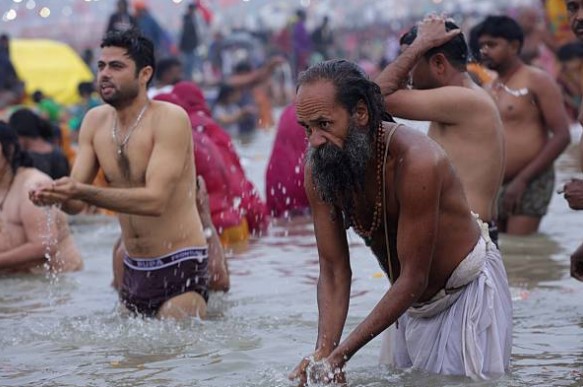
Ayodhya Tour Packages & Ayodhya Travel Guide, Nestled along the tranquil banks of the River Sarayu, the town of Ayodhya holds a timeless charm as the birthplace of Lord Rama, the hero of the epic Ramayana. After completing his 14-year exile, Lord Rama returned to Ayodhya with his wife Sita and brother Lakshman, greeted with joy by the locals. This historic homecoming is now celebrated as Diwali, the festival of lights, where homes and streets gleam with lamps and diyas.
Historical Significance: Ayodhya was originally known as Saket, founded around 9,000 years ago by Manu, regarded as the ancestor of humankind in Hindu tradition. Alongside Dwarka and Varanasi, Ayodhya is considered a spiritually enlightened city, where pilgrims believe they can transcend the cycle of birth and death. Even ancient Chinese travelers, such as Fa-Hien and Hiuen Tsang, documented Ayodhya’s importance in their travel accounts. During the Gupta dynasty, numerous Buddhist monasteries and temples were constructed here, reflecting the city’s diverse religious history. Ayodhya is also revered as the birthplace of five Jain Tirthankaras, evident from the intricate designs of its Jain temples. Later, during the Delhi Sultanate, several mosques were added, blending new cultural influences into the city. Every visit to Ayodhya offers a fresh perspective, making it a journey of personal discovery for every traveler.
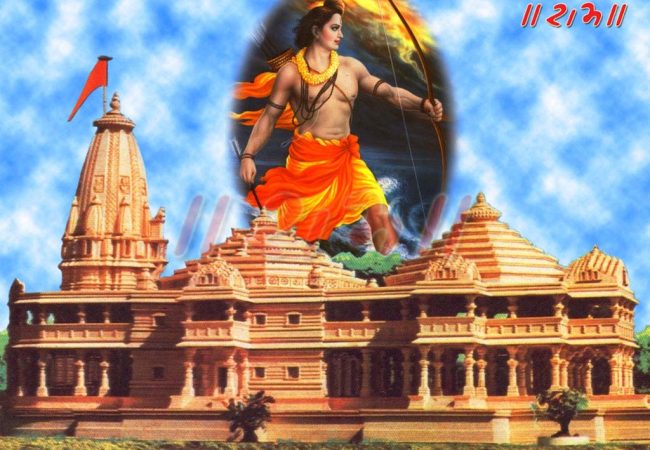
Key Attractions in Ayodhya: Ram Janmabhoomi: Situated near the Sarayu River, Ram Janmabhoomi is believed to be the birthplace of Lord Rama. The site, reportedly rediscovered by King Vikramaditya around a millennium ago, now hosts a small temple featuring an idol of young Rama seated on a lotus. The Ramlila—a theatrical performance of Lord Rama’s life—is held here during Ram Navami (March-April) and draws visitors from across the country. Hanumangarhi Temple: Located in the city center, Hanumangarhi Temple is accessed via 76 steps leading to a fort-like structure. Legend says that Lord Hanuman once resided in a cave here to safeguard Ram Janmabhoomi. The temple houses idols of Hanuman as a child with his mother, Anjani, while its intricately carved gateway and walls exude a majestic presence. Mani Parvat: Just 1 km from Ayodhya Railway Station, Mani Parvat rises to 65 feet. According to local lore, this hill is a fragment of a mountain carried by Lord Hanuman to rescue Lord Lakshman during the Ramayana. Kanak Bhavan Temple: Known as the “Golden Palace”, Kanak Bhavan features statues of Lord Rama and Goddess Sita adorned with golden crowns. Built in 1891 by Queen Vrishbhanu Kuvari of Tikamgarh, the temple’s black-and-white tiled courtyard often hosts musicians, adding a magical ambiance to the visit. Ayodhya’s markets reflect its spiritual heritage. Pilgrims can buy miniature idols, photos of Lord Rama, Sita, and Lakshman, along with religious-themed souvenirs such as keychains, t-shirts, and lockets. Zari work and brass handicrafts are also popular among visitors.
Best Time to Visit: October to March – ideal for pleasant weather, Shravan Jhula (July-August) – special celebrations where idols are placed on swings and paraded to Mani Hill
How to Reach Ayodhya: By Air: The nearest airport is in Lucknow, 130 km away,
By Rail: Ayodhya Railway Station connects to major cities including Delhi, Kolkata, Lucknow, and Jaipur,
By Road: Frequent bus services connect Ayodhya to nearby towns and cities.